Пока alchemists and scientists have struggled for centuries to invent the elixir of youth, artisans have created beauty recipes that women use to this day. Thanks to the availability of ingredients, a modern crafter can produce top-quality cosmetics right in their own kitchen. You just need to follow proven recipes.
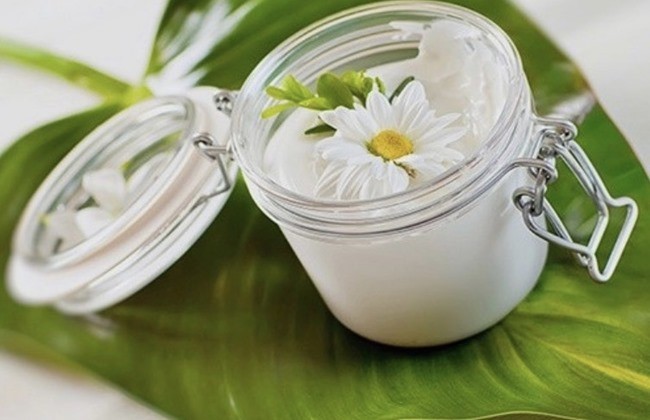
FreeHandmade.com shares the best free video tutorials on cream making to help you learn how to make handmade cosmetics at home: from formulating a recipe to getting that coveted finished jar of cream labeled “Organic”.
Pros of Homemade Cream Making
When making craft cosmetics, you must know exact dosages and the effects of ingredients, taking responsibility for any unexpected skin reactions. However, this hobby has significant advantages:
- Homemade cosmetics guarantee absolute transparency of the formula, as you know every single ingredient from the very beginning.
- With the right selection of components, you can create a highly personalized cream tailored for any unique skin type.
- It serves as a creative, relaxing, and fulfilling hobby.
Phytocosmetics Ingredients
The formula of an organic product is quite simple: oil + water + emulsifier. All DIY cream recipes are based on this foundation.
- Oils: It is advisable to choose unrefined oils containing the maximum amount of nutrients. The most popular ones are macadamia, avocado, coconut, shea, grape seed, rice bran, black cumin, cocoa, argan, and jojoba. Additionally, antioxidant components (such as Tocobiol C or rosemary extract) are added to prevent spoilage and rancidity.
- Water: Always use purified distilled water.
- Emulsifier: This ingredient allows oil and water to blend into a stable mixture. Olivem 1000 is a popular plant-based emulsifier derived from olives that can withstand high temperatures.
Additional Cream Components
Preservatives are mandatory; without them, your homemade product will only last for 2-3 days. If the cream separates and water forms on the surface, it indicates the multiplication of bacteria that can cause skin irritation and acne. A good preservative extends the mixture’s shelf life from 1 to 6 months. Active ingredients (such as plant extracts and humectants) are also added to give the emulsion its specific beneficial properties.
Equipment: Starter Kit
The most important tool and a guarantee of a perfect cream is a high-precision digital scale (accurate to hundredths of a gram). For mixing containers, you can use any glass or ceramic vessels (bowls, cups, glasses). For blending, use a milk frother (coffee mixer), pipettes, glass or wooden stirring sticks, a mini whisk, and a syringe to precisely control the amount of liquid. It is also highly recommended to purchase a thermometer (an infrared one is the most convenient) and an electronic pH meter (or pH test strips).
Formulating a Cream Recipe
The final product volume is always taken as 100%, and the percentages of the components are adjusted accordingly. A winter cream, which needs to be as thick as possible, will contain more oil and less water.
Example formula: 10% macadamia oil, 10% avocado oil, 5% grape seed oil, 5% emulsifier, 3% D-panthenol (for healing micro-damages and preventing dryness), 5% humectants, 0.3% plant extracts, 5% lipid complex, 1% preservative, and 55.7% water — totaling exactly 100%. To make calculations easy, it is convenient to prepare a batch in grams as a multiple of one hundred (e.g., 100g of cream).
Technology of Face Cream Production
The first stage is preliminary sterilization (wipe all surfaces and tools with rubbing alcohol or hydrogen peroxide, hold them in boiling water or a steamer, and wait until completely dry). The oil phase and water phase are heated separately. The emulsifier is added, and then both phases are mixed together. Active ingredients are added at the very end, gently introduced into the cooled base. Adding preservatives is a separate, final phase.
DIY Cream: Tips for Beginners
It is best to start with proven recipes that have positive reviews. To minimize risks, make cream bases for your hands, feet, or body as a trial run. After successfully testing it, you can turn the base into a face cream by adding desired active ingredients. Your first formula should be as simple as possible, with a minimal number of ingredients. There are no ready-made “cream-maker kits” available; however, the necessary equipment can easily be purchased in culinary, soap-making, or hardware stores.
Organic Body Souffle
Our skin needs daily care, and applying lotions is one of the most beneficial and pleasant spa procedures. An ideal body soufflé absorbs quickly, applies smoothly without leaving a sticky or greasy layer, and literally melts on the skin. A DIY organic bio-cream will become an excellent base for massages, restoring the epidermis after sun exposure, and for any other daily skincare routines.
Face Moisturization
Anatomically, the skin has a hydrolipidic mantle that needs to maintain a delicate balance between moisture and fat. An aqua-phase alone in your cream is not enough to nourish the skin, especially mature skin. You need to boost the hydrating effect and “water” the cells using special moisturizing agents. The most accessible and effective ones are glycerin and hyaluronic acid. The former works effectively in the upper layer of the epidermis, while the latter penetrates deep inside.
How to Make Herbal Cream
Herbs have long been considered an ultimate source of beauty and health. Decoctions, infusions, compresses, and powders have helped cure skin conditions and prolong youth for centuries. In the last century, a new form of effective herbal extraction was invented — the liquid extract. By adding just a microdose of this elixir to your homemade cosmetic, you can successfully treat aesthetic issues like redness, rosacea, acne, itching, and similar problems.
Making your own homemade cream doesn’t require advanced knowledge of chemistry or pharmacy. The process is much more like a fun culinary experiment. Absolutely anyone can learn how to do it and enjoy natural, organic skincare!